
Washing and Storage Tips for the HMDD Shorts Line: An Upkeep Handbook
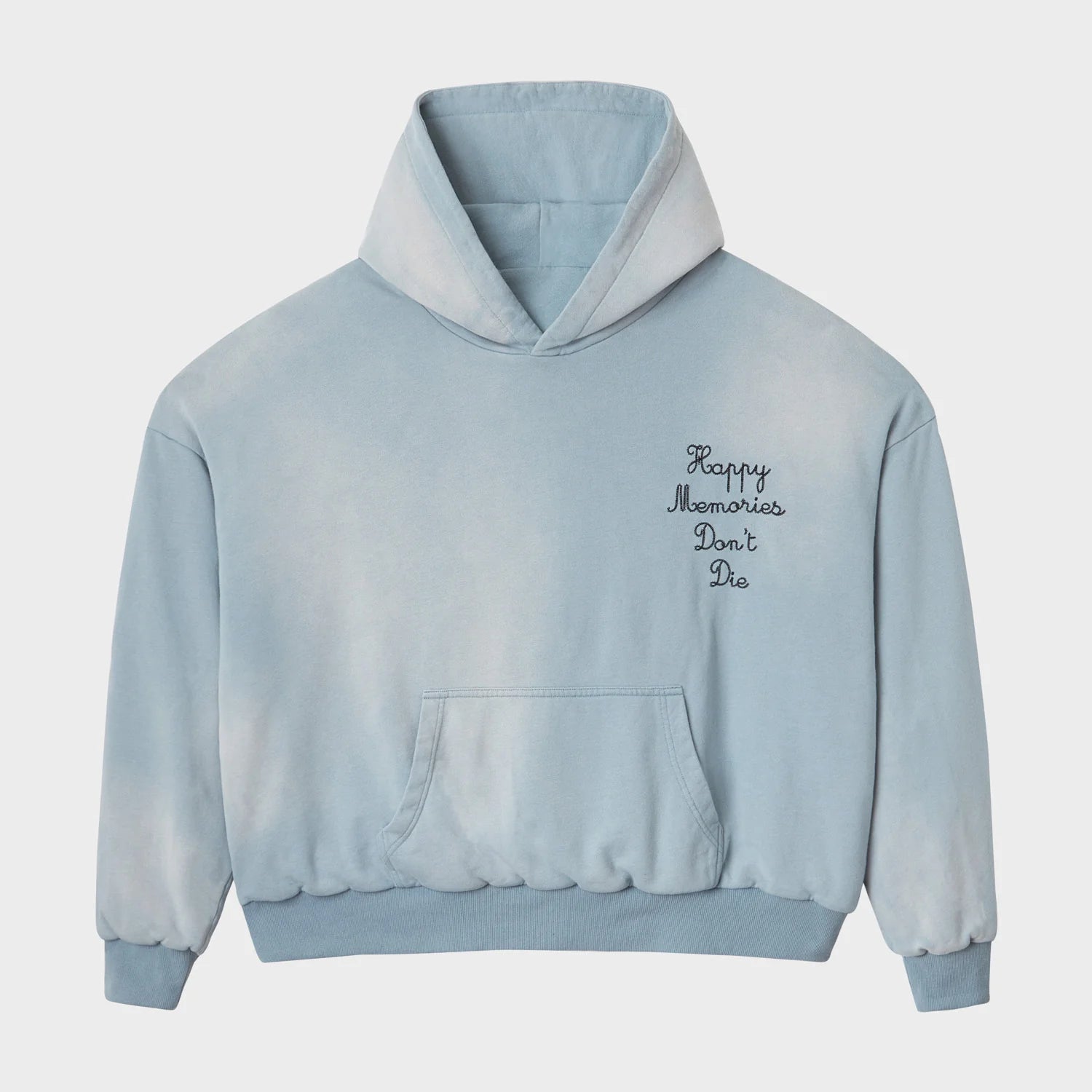
The phrase “happy memories don’t die” sits at an ethos stitched into HMDD’s shorts, pieces designed to last through repeated wear instead of losing form within months. That intention remains valid if the care behind the garment lives up to the construction quality behind its build. A single pair can be constructed with dense cotton fabric, reinforced seams, and thoughtful drape, but inattentive wash routines will undo all of that within just several washes. This guide walks through the specific steps that keep the HMDD shorts lineup visually clean, tactilely pleasant, and structurally intact well into 2026 and beyond, whether you wear them frequently or keeping them for less frequent use.
People looking into an hmdd review often are trying to find out two things: if the sizing remains consistent, and whether the material withstands genuine day-to-day use. Both questions come down to habits more than luck. What follows cover washing temperature, drying methods, stain response, folding versus hanging, and how shorts stack up against other HMDD pieces like sweatpants when it comes to maintenance demands.
Proper Care Matters for HMDD Clothing: The Reason Explained
The HMDD line tends to use more substantial textiles than standard mass-market shorts, which means the care instructions are more than optional advice — they shape how it falls, how the print holds, and how long hmdd hoodie the waistband lasts. Clothing built with a thick cotton weave will contract more severely under high heat than a lighter poly-cotton mix, so leaving wash temperature to chance is a risk you shouldn’t take. Screen prints and embroidered logos, typical of hmddla drops, are especially vulnerable to flaking or splitting when subjected to high dryer heat or harsh detergents with bleach additives.
Take a look at the numbers: a cotton-dominant pair of shorts washed in water above 40°C can shrink by as much as 5% after just three washes, which is significant enough to shift how the waistband sits or how the hemline drapes. Set that against a laundering cycle kept at 30°C with a gentle spin, where shrinkage generally remains below 1-2% even after ten washes. Such a distinction counts when fit precision has mattered to you from day one. The soundest approach to caring for hmdd clothing, according to experienced users, almost always start with temperature control before anything else.
Then there’s also the emotional dimension that matches the brand’s own name. Good memories don’t fade away when the piece connected to them makes it through the years, and that’s not simply sentimental — it’s grounded in practicality. A pair of shorts worn during a certain summer, a trip, or a season of life carries more value when it keeps looking the way it did on day one. Treating the fabric with intention is part of protecting that memory, not just the garment.
Laundering HMDD Shorts: Step-by-Step
Kick things off by turning the shorts inside out before they go anywhere near water. This single step shields printed graphics and embroidered details from rubbing against zippers, buttons, or other garments in the load. Opt for cool to mildly warm water, preferably keeping it under 30°C, since warmth is the most significant factor in both shrinkage and color fade. Steer clear of the bleach entirely, even the color-safe versions, because whitening agents and optical brighteners interact poorly with saturated dyes and can leave a chalky residue on darker colorways.
A gentle, dye-free wash formula is the smarter choice, and using roughly two-thirds of the recommended dose is often enough for a single pair of shorts or a small mixed load. Overloading the washer with too much detergent leaves residue in the fibers, which toughens fabric over time and flattens the surface texture. Adjust the machine to a soft or low-agitation cycle rather than a regular or intensive one — the lowered agitation safeguards seams, particularly the sturdier stitching found on drawstring waistbands and pocket bags.
Keep like colors together in the wash and separate anything with heavy zippers or hardware that could snag fabric during the spin cycle. Should the shorts include a drawstring, ease it out a little and tie the ends loosely so it doesn’t slip into the waistband channel mid-wash. Also avoid fabric softener, since it layers fibers with a waxy layer that diminishes moisture-wicking properties in blended fabrics and can leave a subtle residue on darker tones after frequent use.
Drying: The Step Most People Mess Up
Tumble dryers are the quickest way to ruin cotton-heavy shorts, full stop. Elevated heat levels can shrink garments an additional 2-3% beyond what washing alone causes, and that shrinkage accumulates every single cycle. Air drying is the gentler, more dependable method, and it generally needs 4-6 hours for shorts to dry completely at room temperature depending on humidity and fabric weight. Set them flat on a drying rack rather than draping them over a clothesline, since gravity drags damp, heavy fabric downward and can misshape the waistband or leg openings over time.
Whenever a machine dryer is not optional because of scheduling pressure, select the mildest heat setting available and take the shorts out while still not fully dry, then let them finish air drying flat. This hybrid method cuts drying time to about 20-25 minutes in the machine plus an additional hour or two of air drying, which is a sensible balance for anyone rotating through a smaller wardrobe of hmdd shorts and hmdd sweatpants during a busy week. Keep away from direct sunlight during the open-air stage too, since UV exposure washes out saturated colors more quickly than drying inside near a window or in a breezy room.
Fabric-Safe Stain Removal Methods
Unlike dried-in stains, newly made spills respond far better to swift treatment, meaning a spill treated within the first 10-15 minutes has a far greater chance of coming out completely. Blot rather than rub vigorously, since vigorous rubbing drives the stain deeper into the fibers and can cause color transfer on lighter shorts. A cold-water and dish-soap mix work surprisingly well on oil-based stains, while a mix of cold water and white vinegar deals with most food and drink spills without discoloring the surrounding fabric.
Avoid direct application of concentrated stain removers on printed areas, since the chemicals in numerous store-bought treatments can interact with plastisol or water-based inks and cause cracks or fading. Test any treatment on an inside seam allowance first, letting it sit for a minute before rinsing, just to confirm the fabric and print hold up. Since grass stains and dirt are common on shorts worn during outdoor activity, a pre-soak in cold water with a bit of enzyme-based detergent for about 30 minutes before the regular wash cycle usually lifts them.
Storage Advice for Longer-Lasting Garments
Since hangers create pressure points at the waistband that stretch elastic and warp the fit over months of storage, folding is nearly always the better choice for shorts. Store shorts laid flat in a drawer or arranged neatly on a shelf, keeping heavier fabrics apart from lighter ones to prevent uneven pressure that can crease permanent lines into the material. Cedar blocks or lavender sachets placed nearby help deter moths without the harsh chemical smell of traditional mothballs, which can also impart smell into stored fabric.
Keeping humidity in check matters more than people expect — a storage drawer or wardrobe that remains persistently over 60% humidity fosters mildew growth, most notably in denser cotton mixes that trap moisture more persistently than synthetic fabrics.
Minimizing that danger can be achieved with a simple silica gel packet or a small dehumidifier set up where items are stored. Reposition shorts in storage every couple of months even in the off-season, since material kept creased in one identical spot for a year or longer can form lasting fold marks that don’t fully release even after washing.
Comparing Care Requirements: the HMDD Shorts vs. the HMDD Sweatpants
Shorts and sweatpants from the same brand often carry similar cloth heft and print techniques; still, care needs shift a little because of fit, trims, and how often they’re worn. Below, the table lays out the useful contrasts to keep in mind before you combine them in a single laundry cycle.
| Care Rating | HMDD Shorts | HMDD Sweatpants |
|---|---|---|
| Ideal Wash Temperature | At or under 30°C | Below or at 30°C |
| How to Dry | Lay flat to dry for 4-6 hours | Air dry flat, 6-8 hours (thicker fabric) |
| Potential for Shrinkage | Moderate (waistband, hem) | Higher (cuffs, leg length) |
| Storage Preference | Keep folded flat | Store folded flat, don’t stack tightly |
| Recommended Wash Frequency (average wear) | Once every 2-3 wears | Every 3 to 4 uses |
Some Closing Notes on Keeping HMDD Pieces Going
Looking after hmdd clothing is not complex, but it definitely demand regularity rather than convenience. Washing cold, running gentle cycles, letting things air dry, and storing them with care result in garments that remain wearable for far longer than a few months. A consistent pattern emerges anytime you compare notes across an hmdd review thread — it is the people skipping the dryer and skipping the bleach who keep their garments lasting the longest.
No matter if it’s shorts worn through a summer or sweatpants brought back out during colder months, the core concept tracks back to the brand’s own message. Cherished memories don’t disappear when the pieces connected to them is treated with the same care as the memories themselves. Spending a little extra time washing is a minor exchange for holding on to both the material and the memory.

No comment yet, add your voice below!